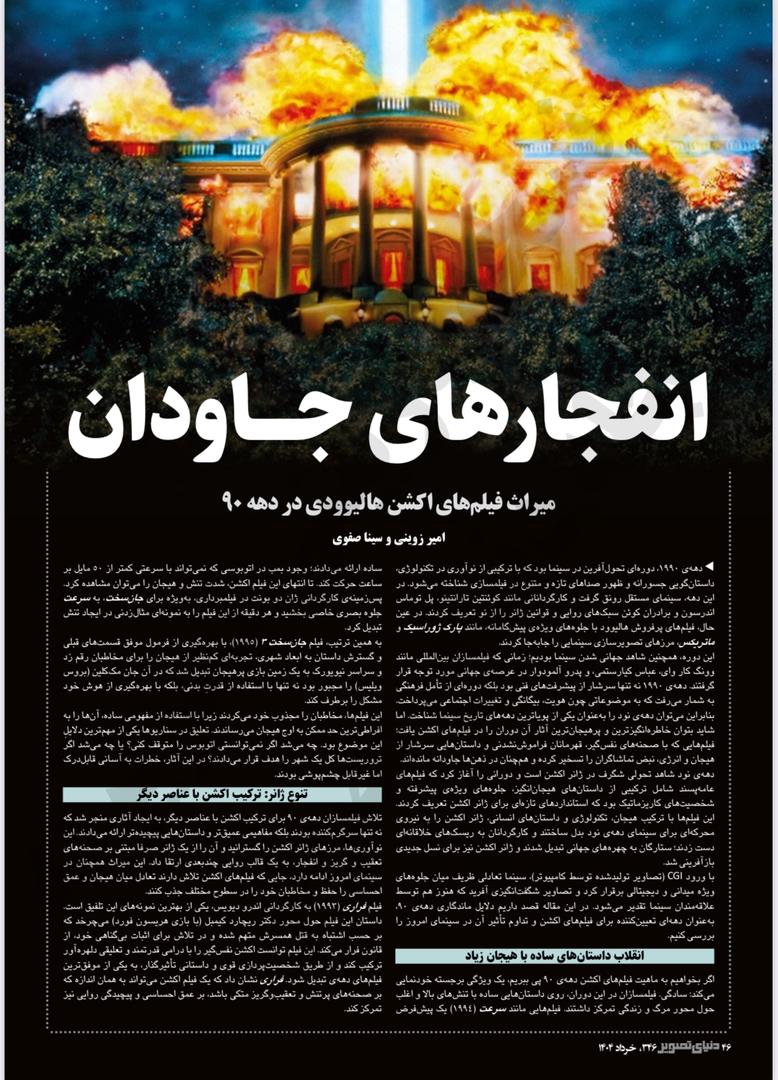
Spectacular Explosions: Action, Narrative, and Visual Excess in Contemporary Cinema
In contemporary cinema, the deployment of spectacular visual excess, particularly explosive action sequences, presents a complex negotiation between commercial entertainment demands and narrative sophistication. This essay examines how filmmakers reconcile the visceral impact of large-scale destruction with the structural requirements of character-driven storytelling.
The Problem of Spectacle
Explosions in film operate on multiple registers simultaneously. They function as visual punctuation, narrative obstacles, and audience engagement mechanisms. Yet the relationship between spectacle and story remains fraught. Too much emphasis on explosive sequences risks subordinating character and motivation to visual effects. Conversely, restraint in the deployment of action can dilute the kinetic energy that audiences expect from contemporary filmmaking.
Narrative Integration
The most effective contemporary action cinema achieves integration rather than separation between spectacle and narrative. When explosions serve the story, revealing character under pressure, advancing plot, or visualizing thematic conflict, they become structural rather than decorative. The best examples move beyond mere destruction as visual event toward destruction as narrative consequence.
This integration demands precision. Every explosion must earn its presence. The filmmakers who navigate this terrain most successfully are those who understand that spectacle without motivation becomes exhausting, while narrative without visceral impact becomes abstract.
The Realism Question
Working within constraints, whether budgetary, political, or creative, often produces more disciplined filmmaking. When directors cannot simply purchase massive explosions, they must think architecturally about how destruction functions within their story. This constraint breeds clarity. In restricted filmmaking contexts, every frame of explosive action must justify itself through narrative necessity or thematic resonance.
This principle applies universally. Even in contexts of considerable resources, the most sophisticated action cinema treats explosions not as excess but as precise instruments within a carefully constructed narrative architecture.
Conclusion
Contemporary cinema’s relationship with spectacular action remains dynamic. The question is not whether explosions belong in cinema, they demonstrably do, but how they are deployed. The filmmakers who master this balance understand that spectacle and story are not opposing forces but complementary elements that, when integrated thoughtfully, create cinema that is both commercially engaging and narratively sophisticated.